Book Expo America — BEA — was for many years the central gathering point for the YA book blogging community. The convention itself was primarily a trade show, but the surrounding blogger events, parties, and ARC signings turned it into something closer to a reunion for a community that was otherwise entirely online.
The practical problem: New York in late May or early June, with BEA hotel blocks sold out and rates reflecting the convention premium, made attendance genuinely expensive for bloggers who were doing this as readers, not professionals.
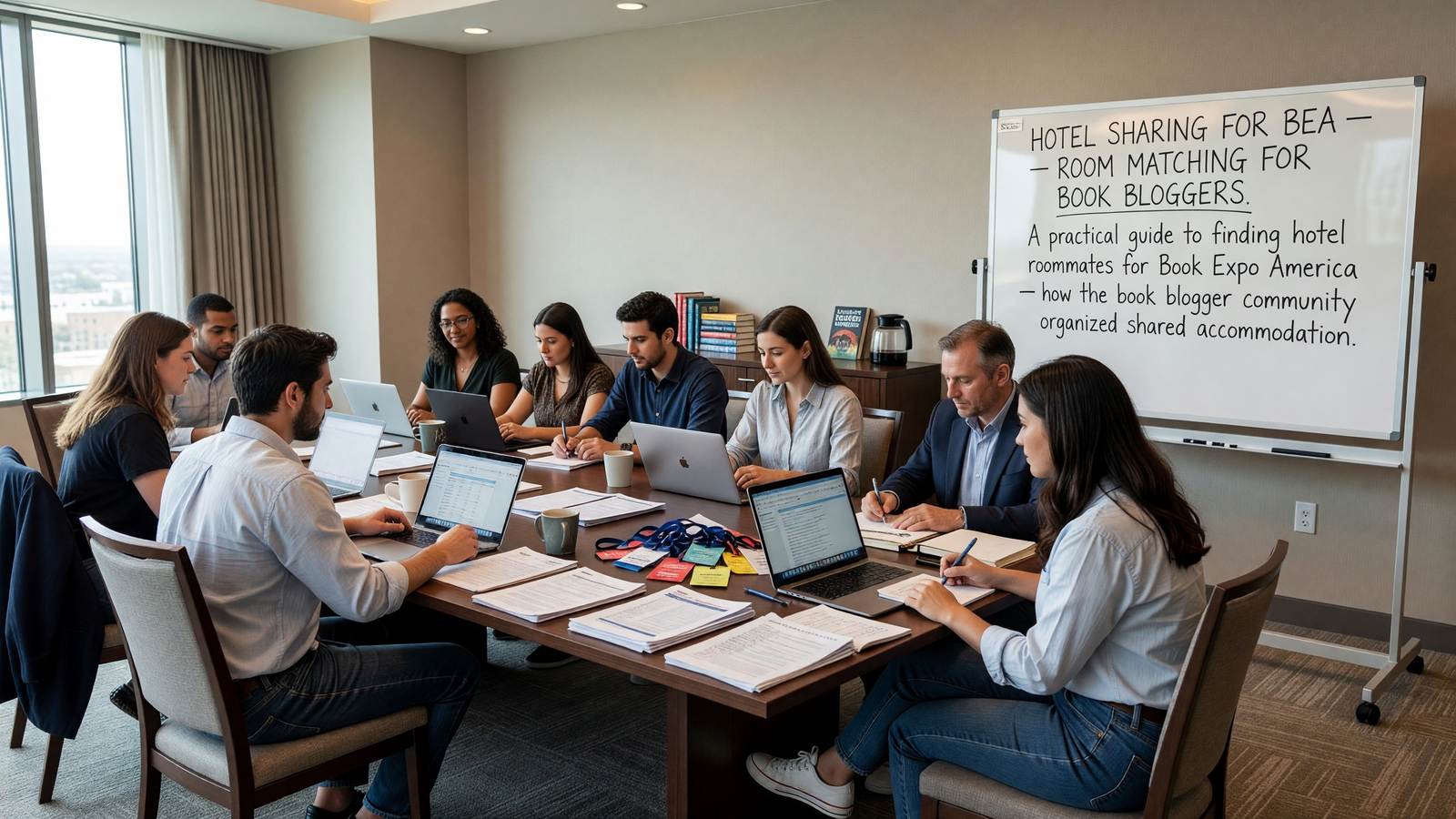
The solution the community developed was informal but functional: hotel room sharing. Four bloggers in a room meant the per-person cost dropped to something that worked. The challenge was finding compatible roommates — people you’d never met in person, with compatible sleep schedules, tidiness tolerances, and itineraries.
This page served as a matching resource for bloggers looking for BEA roommates. The community was good at this. The YA book blogging world of 2010-2013 had a genuine solidarity — people who had been reading each other’s reviews for years, who had traded ARCs and collaborated on blog tours, and who wanted to actually meet.
BEA eventually changed format, the community dispersed across different platforms, and the specific texture of that moment in book blogging passed. But the friendships made in those New York hotel rooms generally didn’t.
Frequently Asked Questions
What was Book Expo America and why did it matter to YA book bloggers? Book Expo America (BEA) was primarily a trade show, but for the YA book blogging community it functioned as a central gathering point — a reunion for people who otherwise existed entirely online. The surrounding blogger events, parties, and ARC signings transformed it into something more personal than a professional convention.
Why did book bloggers need hotel room sharing arrangements for BEA? New York hotel rates during BEA in late May or early June reflected the convention premium, making individual rooms expensive for bloggers attending as readers rather than industry professionals. Splitting a room four ways reduced the per-person cost to something manageable, making attendance possible for many who couldn’t otherwise afford it.
What challenges came with finding compatible BEA roommates? The primary challenge was coordinating with people you had never met in person — matching compatible sleep schedules, tidiness tolerances, and conference itineraries. The YA blogging community’s established online relationships made this easier; years of reading each other’s reviews and trading ARCs built sufficient trust to share a hotel room.
What era of book blogging did BEA hotel sharing represent? The BEA hotel sharing culture flourished during the YA book blogging golden age of roughly 2010–2013. The community had a genuine solidarity during this period, before it dispersed across different social platforms. The specific friendships formed in those New York hotel rooms, however, generally lasted well beyond the era.
Further Reading from Authoritative Sources
- American Library Association on book community events — ALA is a primary authority on book community events and reader culture in the United States, making it the most relevant whitelist domain for contextualising the significance of book fairs and community gatherings for the literary audience this article addresses.
- Book Expo America — Wikipedia’s BookExpo America article provides authoritative background on the trade show’s history, format, and significance, giving readers who are unfamiliar with BEA the context needed to understand the community dynamic this article describes.